
The evolution
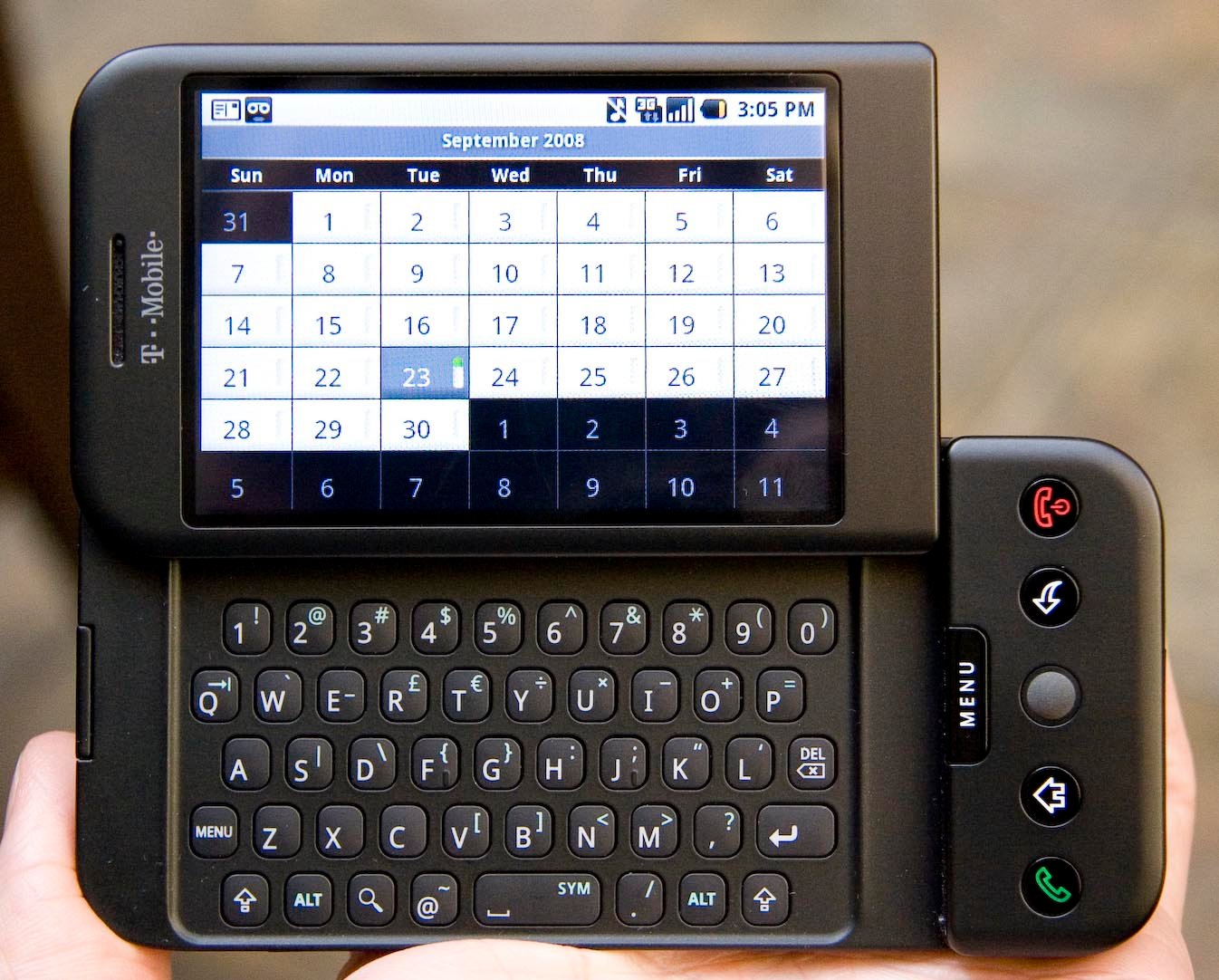
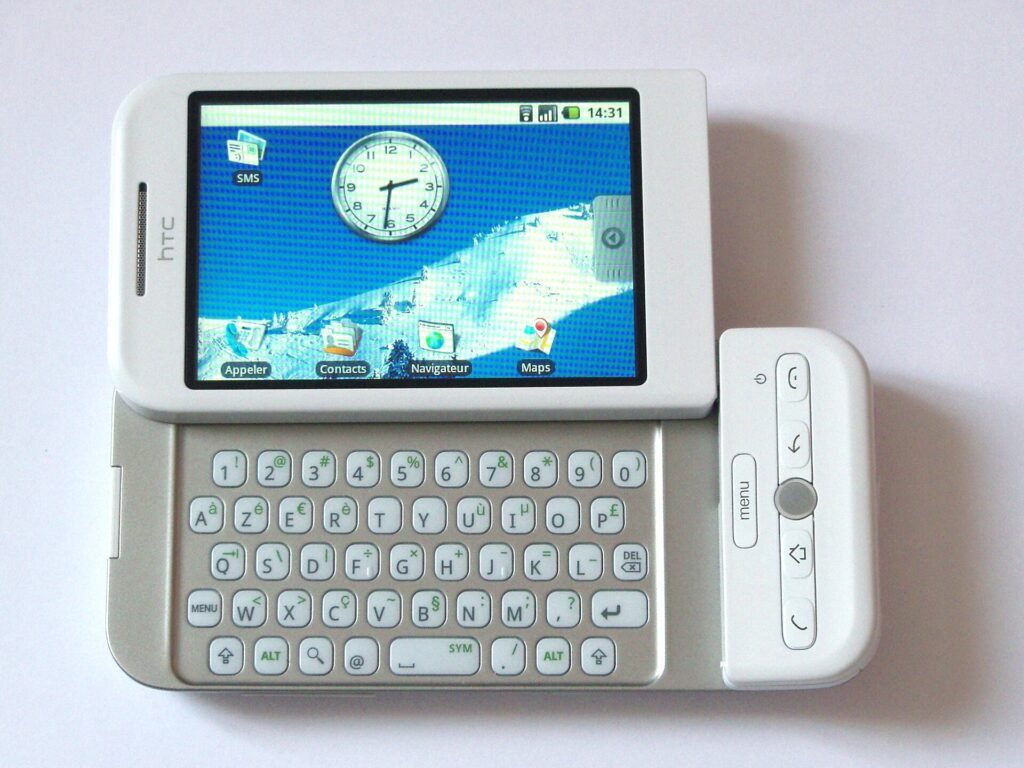
For those who recall the era of “dumbphones,” the initial iPhone released in 2010 is often regarded as the first genuine smartphone. Others might object and argue that the HTC G1 Dream from 2008 was the first one. For some, their first smartphone was their trusty and stylish Nokia N73 from 2006 — a phone that featured hardware buttons and was powered by Symbian OS. That was some 20 years ago, but even before that, in 2004, people were rocking phones that some considered smartphones. Sonny Ericsson k700 wasn’t a smartphone by today’s standards but back then it was the pinnacle of mobile telephony and mobile entertainment. Just a few years before its release, mobile phones were pretty basic. They featured monochrome displays, midi ringtones, and maybe a few simple games. But the Sonny Ericsson k700 was something else. It featured a TFT display that supported 65k colors, mp3 player, a 28 nanometers Mediatek processor, downloadable apps, 3D games, and even a camera that could record videos — unlike the one on the original iPhone that could only shoot photos.
Ancient history
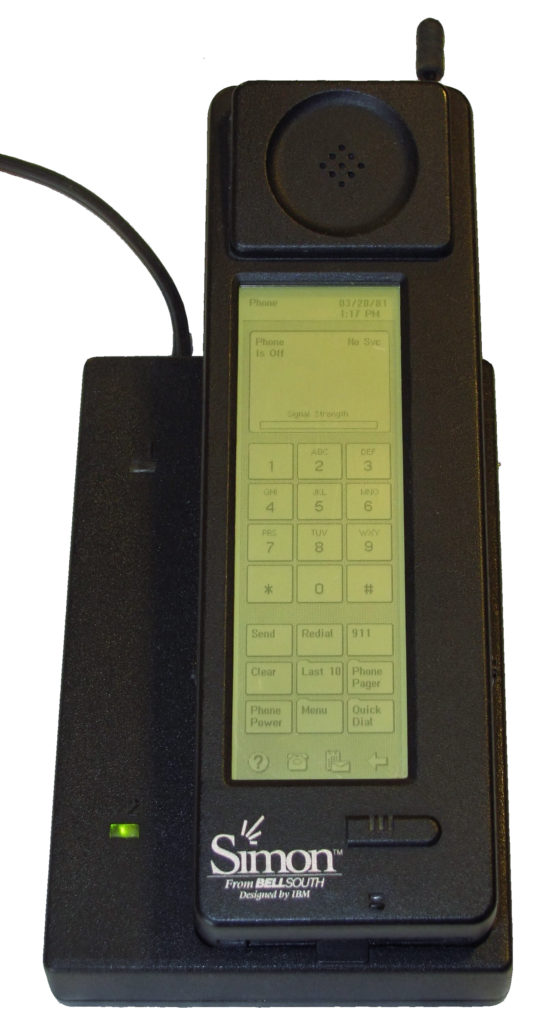
But even before all of these semi smart phones there was a device that tech historians (not a real profession) of today consider to be the first true smartphone. Name’s IBM Simon Personal Communicator.
It was released in 1994 and was first introduced in 1992 at COMDEX, a computer and technology trade show in Las Vegas. The device weighed just about 510 grams, which is about half a kilo or 1.2 pounds — a combined weight of two and a half iPhone 17 Pros. This bad boy featured a 4.5 inch touch sensitive monochrome display that could be operated via stylish stylus. The device was powered by an x86 processor and boasted an MS-DOS compatible operating system. The owners could install additional software via a memory card slot, but Simon already came with a couple of important business apps preinstalled. Once booted you could add new phone numbers to its address book; you could check the calendar, or plan a meeting via its appointment scheduler. It featured a calculator, world time clock, electronic notepad, handwritten annotations, and standard and predictive stylus input screen keyboards. The Simon also had a modem so you could send an email or a fax. Since it could also be used as a phone, many today call it the first true smartphone. In the mid 90s, people nicknamed it “ThinkPhone”.
But here comes my hot take. It was only in the early 2020s that the first genuine smartphone actually hit the market.
Smartphone redefined
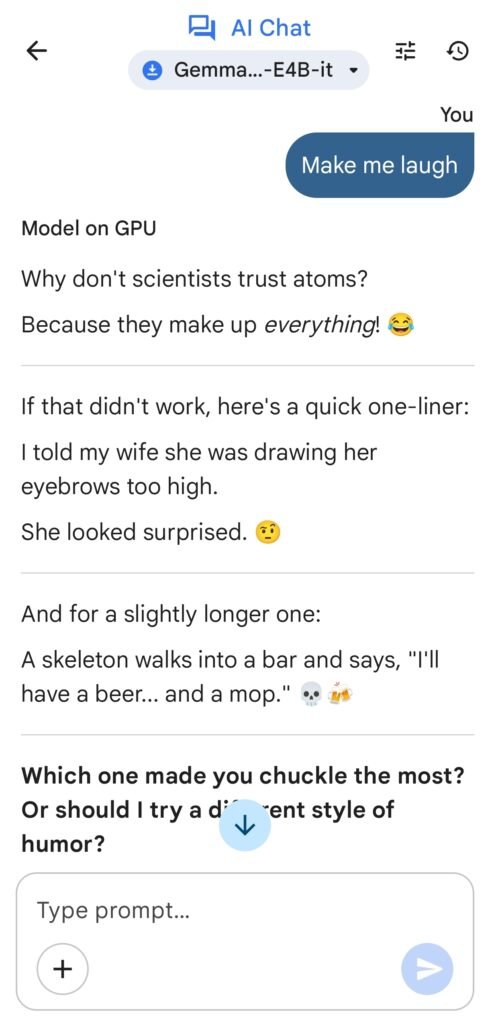
Until very recently, smartphones were smart in a sense that they had highly capable processors and could connect to the internet and do things automatically and remotely. Merriab-Webster defines the word “smart” as having or showing a high degree of mental ability. AI has become ubiquitous. Everything these days is about AI. We still haven’t fully dealt with all the implications of the internet, and here we are, dealing with a completely new type of intelligence that isn’t human, but it didn’t come from outer space either, as we were expecting. I argue that my phone is finally smart in the true sense of that word. And it only became such in the last year or so. Before that, you’d have to connect to a remote server somewhere far away to get your answer. AI, after all, is a power hungry beast. But as the technology evolved, it finally allowed us to run AI locally. At first, you could only run it locally if you had a beefy PC, preferably with an Nvidia RTX GPU. But now, you can run it on your smartphone. Around a year ago, Google introduced an AI launcher app called Edge Gallery. A few months ago, they introduced the Gemma 4 family of highly capable large language models. Me being me, I tried running local LLM’s on my phone even before that. It was possible but not very pleasant and barely useful. But things have evolved. I tried it again a couple of days ago, and I gotta say, tech bros at Google did not disappoint. Not only are these new super small models smarter, they’re also faster and more efficient. The answer to my query appears on the screen almost as fast as I can read it. And my phone is two generations behind when it comes to processing power, so I can imagine these new phones running it even faster.
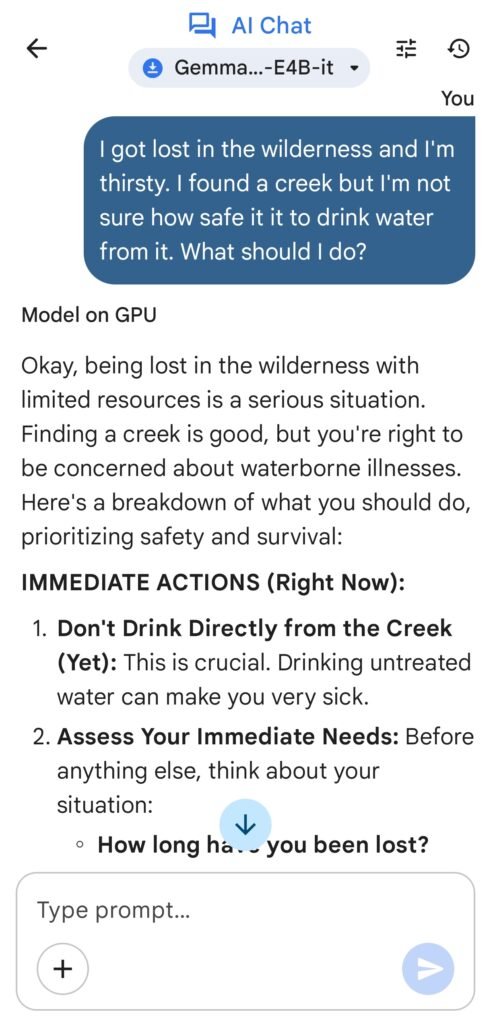
I did a little test. I turned off 5G and wifi internet connection on my phone, and I opened the Edge Gallery app. Before that I had to download a model. I chose a beefy, 5GB version of Google’s Gemma LLM. I then lied to it and told it that I’m lost in the wilderness and that I’m not sure if I should drink from the creek I just stumbled upon. I noticed that I could have it run the model on either CPU or GPU. The CPU answers seem a bit faster but not as comprehensive and not as smart. The ones inferred on GPU seem to be more thoughtful and helpful. But they made my phone a bit toasty, which affects the battery life — something you should be thoughtful of if you’re lost in the wilderness. In any case, the answers I got are no less smarter than the one I would get from the original ChatGPT back in December of 2022. They are generated a bit slower for sure, but let’s not forget that these small models run on just 5 to 25 watts of power. Overall, I think I made my point. We finally have phones that are actually smart and not just internet capable. In fact my phone doesn’t even need an internet connection to be smart, it just needs some juice and an LLM model already downloaded and ready to go.
Follow me for more professional articles
Leave a Reply