-
·
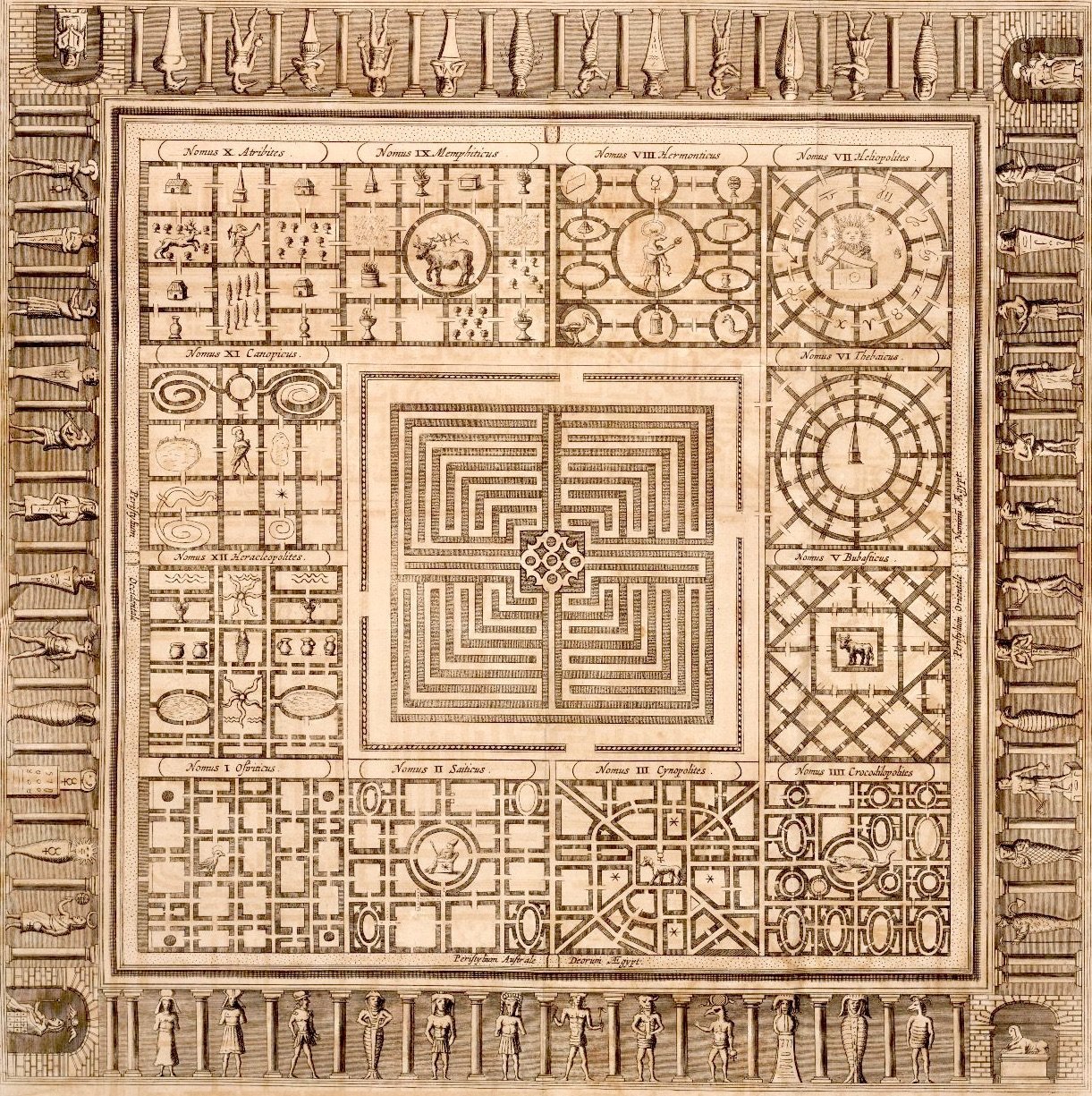
The Labyrinth at Hawara — A little known lost wonder of the ancient world
I have a riddle for you. What used to be in Egypt and was more impressive than the pyramids in Giza? Well, according to the ancient Greek historian Herodotus (who visited the spot in 450 BCE) that would be the Labyrinth at Hawara, an impressive temple complex built by the 12th-Dynasty Pharaoh Amenemhat III in…
-
·
Monsters and other strange creatures
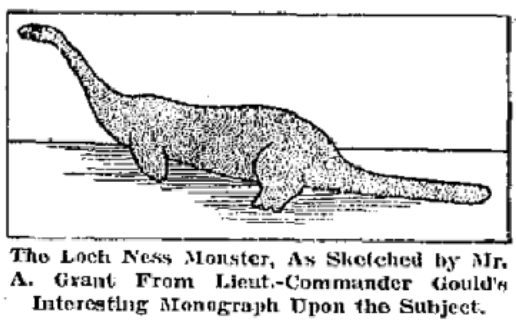
Fairly recently, a subreddit called TrueCryptozoology was recommended to me by Reddit. I immediately joined. Back when I was a kiddo I loved cryptozoology. But, “what even is cryptozoology”, I hear you ponder. Well, it has nothing to do with mining bitcoins in the zoo and everything to do with so-called cryptids — creatures whose…
-

·
Smartphones — Finally!
The evolution For those who recall the era of “dumbphones,” the initial iPhone released in 2010 is often regarded as the first genuine smartphone. Others might object and argue that the HTC G1 Dream from 2008 was the first one. For some, their first smartphone was their trusty and stylish Nokia N73 from 2006 —…
-
·
Some Quantum mechanics and Cosmology
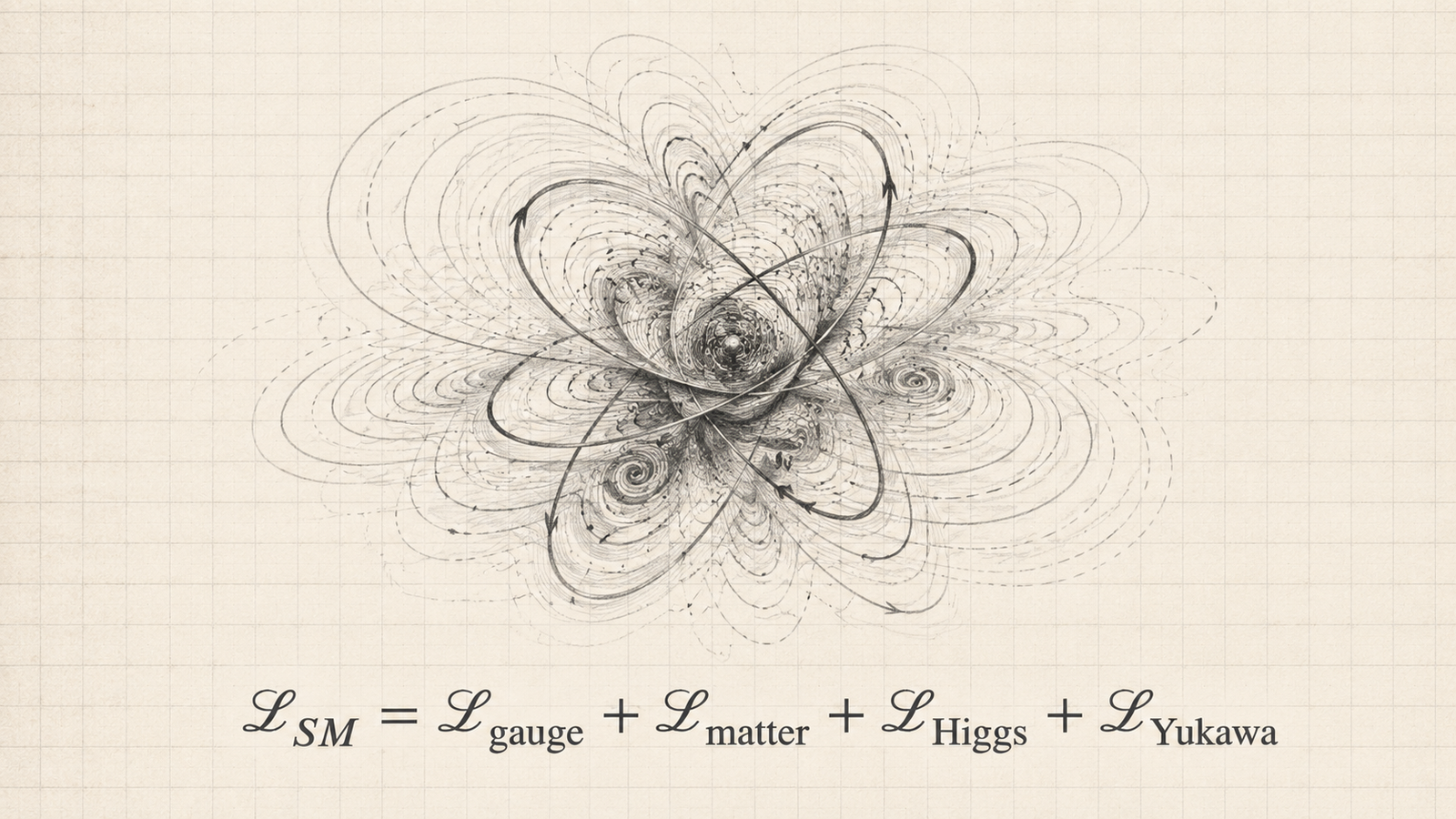
I just had a long convo about quantum mechanics and cosmology with my pal, Gemini von Google, and I wanted to share what I’ve learned because I never before came across some of the things I’ll share here with you. Electromagnetic field The electromagnetic field is sort of like an essential substrate pervading the whole…
-

·
Science’s New Battle Plan: 36 Strategies to Defeat Climate Change
The paper, “Democratizing climate change mitigation pathways using modernized stabilization wedges” by Nathan Johnson and Iain Staffell, argues that climate models are powerful scientific tools, but very often way too complex for ordinary people, journalists, and policymakers. As you can see from the carefully chosen title of the paper, scientists basically admitted that climate change…
-
·
The Big Convergence
Back in 1959, Eugene Paul Wigner, theoretical physicist and Nobel Prize winner, delivered a lecture at New York University in which he spoke about “The Unreasonable Effectiveness of Mathematics in the Natural Sciences”. In the lecture, he argued that many mathematical concepts that initially appeared to be just abstract ideas were later found to perfectly describe…
-
·
The Panic: Should we or should we not, or what?
For all we know, Socrates was patient-zero of technological doomerism. But writing was only the beginning of advanced, disruptive and panic inducing technology. With the fall of the Roman Empire, Europe entered the era of technological stagnation, aka medieval period or the dark ages. Many contemporary historians completely reject the “dark age” classification . They argue…